Wander amongst the trees

Ode to a newborn
This video was created by the participants of the Voice of the Trees project. The participants planted a young elm tree in the grounds of the Art Residency by the Silk Road University, Samarkand. While planting the tree they read their own poetry which was dedicated to the growth and future life of the young sapling.
This project took place in August 2024 and was funded by the British Council’s Creative Collaborations Programme. The video was directed by Kristina Cranfeld, with support from Ashot Danielyan and Nathan Jeffers.

Tamila

This image was created by the artist Tamila (instagram: @r._tamila) during the Voice of the Trees residency, held at the Art Residency by the Silk Road University, Samarkand. This image was created during a trip to Chor Chinor near Urgut, Uzbekistan.
This project took place in August 2024 and was funded by the British Council’s Creative Collaborations Programme.

OlyasDreams


These images were created by the artist OlyasDreams (instagram: @olyasdreams) during the Voice of the Trees residency, held at the Art Residency by the Silk Road University, Samarkand. This image was created during a trip to Chor Chinor near Urgut, Uzbekistan.
This project took place in August 2024 and was funded by the British Council’s Creative Collaborations Programme.

Amir Kholmatov

This image was created by the artist Amir Kholmatov (instagram: @kholmatov13art) during the Voice of the Trees residency, held at the Art Residency by the Silk Road University, Samarkand. This image was created during a trip to Chor Chinor near Urgut, Uzbekistan.
This project took place in August 2024 and was funded by the British Council’s Creative Collaborations Programme.

The Wandering Sower
This video was filmed on the ancient fortress of Afrasiyab in Samarkand, August 2024. In this video the artist Kristina Cranfeld (Kristinacranfeld.com) becomes the wandering sower in a speculative exploration of desiccated and desolate landscapes in Central Asia.
This video was made with the support of Ashot Danielyan, Nathan Jeffers, Adrien Houguet, and the participants of the Voice of the Trees residency which was held at the Art Residency by the Silk Road University, Samarkand. This project was funded by the British Council’s Creative Collaborations Programme.
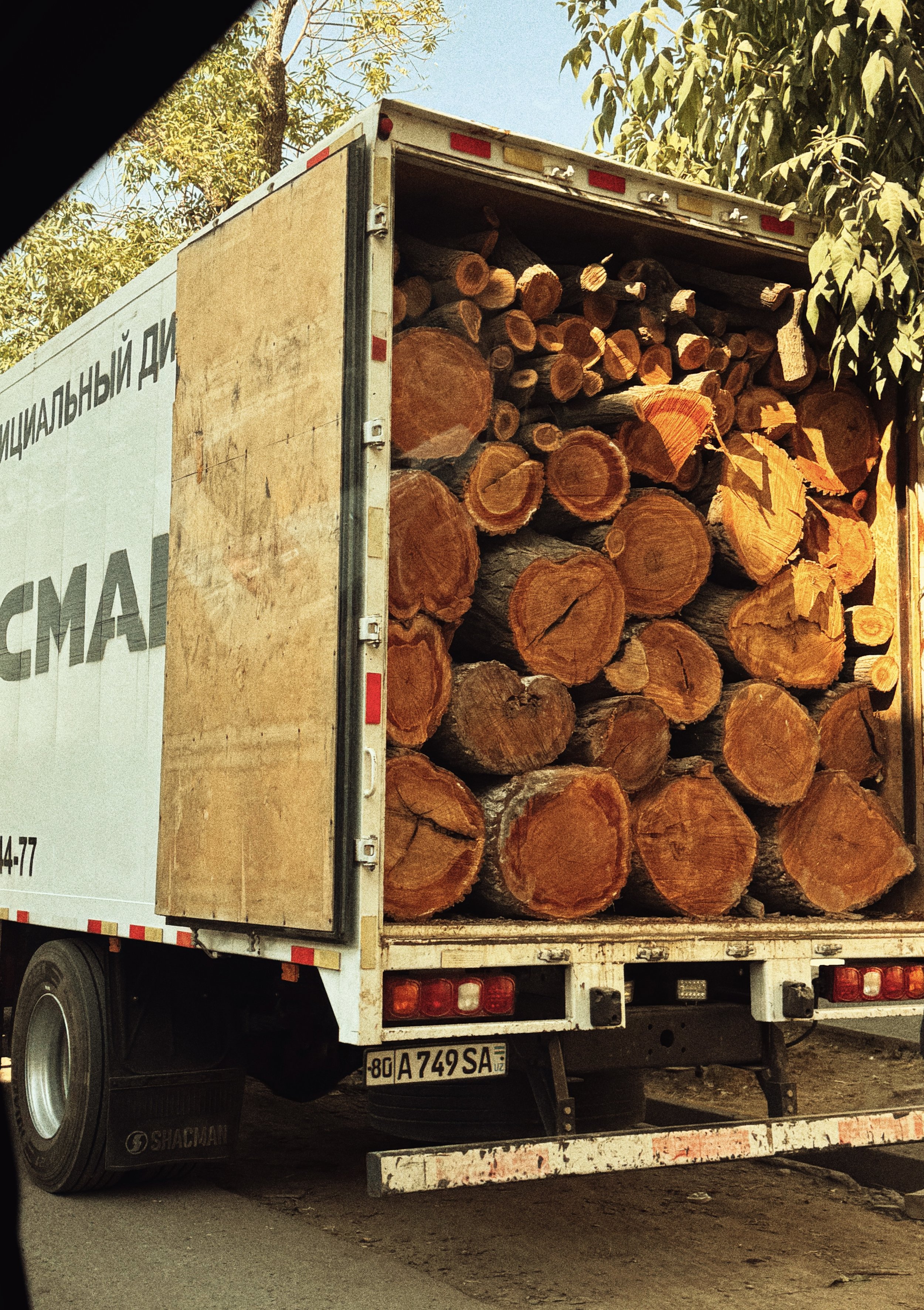
Voice of the Trees
This video was created by Angelika Mardanova (instagram: @angelika.896) during the course of a 2 week creative residency held at the Art Residency by the Silk Road University, Samarkand. This project was funded by the British Council’s Creative Collaborations Programme.

Tashkent birdsong in an English hospital
I took these videos of the trees and the sound of birdsong in my garden in Tashkent, during the early stages of lockdown in June 2020. My wife, Caroline had just been diagnosed with a stage 4 brain tumour caused by a particularly aggressive form of cancer. She was in hospital in England and I was unable to leave Tashkent. I made daily recordings in the early morning, before I started work. It was a way for us to connect and for her to connect with nature. She was confined to the hospital, which was, necessarily, a pretty sterile environment, in all senses of the word. Caroline really appreciated these videos and I found that by making them I could, in some way, help her, although I was a long way from her physically.
Words by Dave.
These trees are located on M. Gandi street in Tashkent

The Solace of a Garden
In Tashkent I was always in a state of limbo. Waiting for my Schengen visas, for my UK one. At a crossroads of languages, cultures, and sensibilities. It was a place of fluctuating between violent happiness and utter devastation.
I can still remember clearly the moment when I saw the photos that emerged from Bucha on April 3rd, and how I went out for a walk because I simply couldn’t stay inside. I was crashing at T’s at the time, taking care of his cat, and initially thought of visiting the Botkin cemetery nearby, the one where Usto Mumin is discreetly buried, but the sight of graves would have been too much to handle, so I opted to take a cab to the Botanical Garden instead. It was a place I would visit frequently, either alone or with friends, to walk and talk and decompress. Tashkent was in full bloom, almost obscenely so, and the Garden was swarming with happy families seemingly oblivious to the war crimes playing out in real time a few time zones away—a painfully beautiful scene. The images of people with their hands tied behind their back were indelible—I couldn’t help but see them everywhere, reeling from a mix of guilt (over not being able to prevent this), shame (for even being here, where it’s safe and sunny) and uselessness (as a citizen of a country perpetrating unspeakable atrocities). There was also numbness, horror, and gratitude to no one in particular for even being alive.
I wandered off deeper into the Garden, and in the far end of it I came across eerie, abandoned greenhouses and structures resembling cages and gas chambers. I walked among them in complete silence. The scenery was very much reminiscent of the derelict spaces one could see in J-horrors by Kiyoshi Kurosawa, one of my favourite filmmakers (and the director of what I consider the best film about Tashkent, To The Ends of the Earth). Back then, I hadn't seen a single film for a month—it was as if films, which I was heretofore relentlessly consuming for both work and pleasure, were made redundant, meaningless.
They say that it’s sometimes soothing to watch horror movies because they release stress and make you process stuff. It just so happens that they are less scary than real life. They also give shape to your abstract feelings of fear, sorrow, and loss. The greenhouses freaked me out in a good way.
I was probably too traumatised to recognise it at the time but now I see it as a point of no return—the moment when I firmly set my mind to accelerating the collapse of the russian state as we know it.

A Haiku of Frozen Sleep

White arms reach out high
Holding winter’s frozen kiss
Silent, cold sleep
Submitted by Bahodir
This tree currently lives on Kichik Xalqa Yo’li, Tashkent

New York Trees. Tashkent Shadows.
Чуть больше деревьев, чем два-три в каменных джунглях Нью-Йорка уже кажутся садом, маленьким леском. Ташкент не стремится стать Нью-Йорком - придется принять множество свобод, но Дубай явно симпатичен, как модель строительства для Ташкента. Надеюсь, оставшиеся целеные зоны в Ташкенте уцелеют и появятся новые.
-
In the concrete jungle of New York, a group of trees need only have more than two or three trees to be considered an orchard or small wood. Tashkent isn't trying to be New York, it would have to adopt all kinds of new freedoms... Dubai is clearly a more appealing role-model. I just hope that Tashkent’s green spaces earmarked for construction remain unmarked, and that new ones appear alongside them.
Translated by Nathan Jeffers
Written by Dina

Darkhan Poplars
The trees in my Tashkent mahalla
There are trees in England, but not like these
Silver sunlight rifling through the whispering leaves
Salt mirrors flashing in the lazy breeze.
Written by Alice
These trees lived in the Darkhan Mahalla. Their current condition is unknown.

An old Pea Tree

Я - Дерево. Сердца спил,
Скажет сколько во мне тоски.
Я рос под прохладой рос,
Где звёзды во мгле низки.
Я древний, как рыба меч,
И мачт из меня не счесть,
В короне кроны маячат
Ленты нелепых мечт.
Я – Дерево . Зимний лес
В холод как колокол – гол.
Неси мой берёзовый крест,
Осиновый выруби кол.
Я видел грани , предел-
Как ветер влетает в грот.
Как море, раскрывши рот,
О скалы оскалы рвёт.
Я видимо крепко спал,
(деревьям свойственно спать)
Когда мой стан стал стрелой,
Запущенной к небесам.
И я не чувствовал боли,
Когда от удара молний,
К утру превращался в дым,
И плыл пеленой по полю.
Я –Дерево . Сердца спил
Скажет сколько во мне любви!
Written by Ashot Danielyan
Music by Ruslan Volkov
The tree currently lives in Tashkent

Courtyard Planes

Whispering Trees
There was a man at the back of the garden whispering to me over the fence. His hair hung in black curtains over his eyes and he wore a stained, olive-green trench coat. His right hand held tightly onto the waist-high wire fence, his unsteady feet threatening to slip down the bank of earth that led to the path below.
It was late Autumn in Tashkent and I was raking leaves. As soon as our eyes locked he began beckoning to me with one hand. His mouth was moving but I couldn’t catch what he was saying. Taking solace in the fact of the fence I began to take small, begrudging steps towards him. As I moved closer, my body leaning forward, I began to catch the whispers he scattered amongst the leaves.
He was mid-sentence, I think, describing the family who had lived in my apartment before me, the children that used to play in that garden and the swing set they used to use (metal bars now browning). It wasn’t clear if he knew them or knew of them. Nor was there time to ask since he spoke in a continuous whisper with each sentence blending into the next. No full stops. A stream of whispers that started calmly but quickly became angrier. He began to hiss about an abandoned local library, then about the many libraries in the city that had been shut down, all their books moved to God knows where. Then it was the stifling of the arts; he asked if I had heard of the local creative who had been put on trial and their work banned. As I shook my head I straightened my back and wondered if I should be listening at all.
He asked where I was from. Wales? He guessed. Almost, I said. He then straightened up too, hand still clasped on the fence, and stood looking at me for a few seconds, as if considering something. And I just stood there, rake in hand, wondering if this was the moment I should extricate myself.
Do you know what happened to the trees? he asked. I shook my head again and looked down at the pile of leaves next to me. Did you know that Tashkent was once the greenest city in Central Asia? He described the tall plane trees that used to line the city’s central avenues, the shade they offered from the harsh Uzbek summers. And now look at what they’re doing! The whisperer raised his left arm above his head, eyes fixed on mine, and he slashed his hand down through the air.
He asked if he could come inside. There was more to tell me, more to show, photos, postcards, I can show you everything. I looked again at his hair, his coat, at the soles of his shoes caked in earth. I’m so sorry I said, not today. Unperturbed he said he lived right round the corner, he could come any time (my eyebrows lifted) and could he have my phone number? I lacked the speed or the guile to do anything else but give it to him. Until soon he said. I turned and headed inside, locking the garden door behind me. I sat down dazed on my bed, thinking over what he had said, absent mindedly pulling dead leaves from the rake and dropping them onto the carpet.
*
And naturally he started ringing me. A lot. I didn’t pick up. I let my phone buzz against my leg as I sat in the taxi to work, I let it vibrate across the table while making dinner. I would have to pick up eventually, I knew that. He knew where we lived after all.
As I watched the phone shiver over the ripples of our plastic tablecloth, I remembered my first work party the month before. At one point in the evening a mixture of foreign and local staff had been sat in a circle talking and introducing themselves. One new colleague, an Uzbek, had picked up a bottle and began pouring beer into each proffered ceramic tea bowl. I’m happy to talk about anything he said, but I won’t talk about politics. There was a flutter of eye contact amongst the foreigners while all the local staff nodded their head in agreement. A nod to the guard rails that stood at the edge of our conversations, a nod to the rules of the game.
Yet here I was being rung by a man I didn’t know, who had hair to his shoulders, and who whispered about closed libraries, banned art, and dead trees, dirtying his shoes to talk to a person he’d never met. He made me nervous.
*
He was sat at the head of our kitchen table and I to his right. I watched him as he batted his hair from his face and slurped from his tea bowl. He had arrived with a stack of photo albums and spoke in the same hurry of whispers as before. He spoke as if time was running out, as if all he needed was just another two minutes to say what he must. He narrated his way through photo after photo of his grandfather in military uniform, him in Italy, his aunt in a cotton field, him as a young boy, the pot of tea long empty, no biscuits left, only crumbs.
As he turned another page of stiff grey card, I saw a flash of green. Remember the trees? I leaned forward and saw tall trunks stretching from the bottom to the top of the photographs, bursts of light hanging in the foliage; there was a family strolling along a path, a picnic, old men around a table playing chess. Gone he said, All gone. And like in the garden, he sliced his hand in a quick horizontal motion across the top of the table. He then began turning the page over to the next set of photos, pausing to take a breath. I caught the edge of the card with my thumb and index finger. Wait. Where is that? Surprised at the interruption, but with a smile on his face he drew his hand back and let me return to the trees. You don’t recognise it? He tapped one of the photographs several times, leaving a fingerprint smudge over a statue of a man on a horse. I leant over the photo. Amir Timur? He nodded.
I had met that statue on my first day in Tashkent. It had been blazing hot and we were stood in the direct sunlight without a water bottle between us. No tall trees, no shady paths, no men playing chess. I remembered staring at the back of my colleague’s head. The back of his neck was a burnt red, save for a perimeter of white skin skirting his hairline, evidence of a recent haircut. The public square around the statue of Amir Timur was covered only in small shrubs and fir saplings, most of them bathed in the determined mist of unseen water sprinklers. While we waited for others to join us, we crouched underneath one of the saplings for some respite from the sun. I remembered looking across the square at two tall trees, shorn and crooked, who towered above the baby foliage beneath. I had been envious of the shade beneath them, but I now understood they were the lonely survivors of a vanished forest.
How long ago were they cut down? I asked pointing at the photo. Four years ago. And do you know who did it? It was HIM. At this he looked into my eyes meaningfully and jabbed his index finger upwards. I winced, grateful that at least he hadn’t said his name. They say he was being driven around the square and he complained to his men about the trees. He said they blocked the view of his favourite new building. I blinked. Just like that? I asked. Just like that. He shrugged his shoulder, turned the grey card over and then began, again, to tell me about his grandfather. I picked up my tea bowl and tipped the remaining liquid into my mouth.
*
The conifer saplings were delivered on a flatbed truck. A small forest of them would be packed into the back, all tilting in the same direction, all of them with their roots wrapped in black plastic. The driver would climb up and usually grab one or two saplings by their trunks and drop them onto the tarmac below. Sometimes the plastic wrapping would pop on impact and soil would burst out. Then the driver would sign a receipt of delivery, get back into the truck and drive off, the remaining saplings bouncing in time to the potholes.
Islambek was our security guard and it fell to him to care for the neat row of luminous conifers that stood outside our building. I would often see him dutifully watering them when I arrived for work; other times he would be wielding pruning shears to preserve their conical geometry. But between the months of May and September, no matter how dutiful he was, he couldn’t stop the fir trees from dying. Once winter had fully passed and the heat started to rise, it was only a matter of time before the conifers started to wither. The first sign that a tree had heat stroke was a subtle shift in its shade to a not-quite-so-vivid green; the flicker of a wither. Whenever this happened, Islambek could be found with his hands on his hips looking at the tree sadly. They get one chance he would say. If they get scorched we can revive them with water once, but if it happens again… A dead conifer would just be replaced by another, and then another. Islambek tried his best, he installed sprinklers and even bought specially-made canvas tents that covered the trees from the sun’s glare, but it was of little help.
Whenever I walked past Islambek, I never asked him what he thought about the conifer delivery truck, about being stuck in a seemingly endless cycle of planting trees that were doomed to wither and die. It seemed like the whole of Tashkent was stuck in the same cycle anyway. The city was covered in conifers, they stood at the entrance to museums, outside universities and lined the edges of the city’s highways. The more important the location, the better the sprinkler system and thus the greater the possibility of survival. But survivors were the exception; summer Tashkent was a crispy coniferous graveyard. Sometimes the trees were replaced quickly so you would barely notice, while other times rows of brown bark carcasses would stand for weeks at a time, a parade of brown at the side of the road.
I felt caught between the friction of the vanishing plane trees and the brown conifers. Why were the trees that knew how to survive being cut down while water was lavished on those that were a hot breath away from death? Maybe I should have asked Islambek why he didn’t replace the conifers with plane trees. But he probably would have just shrugged at me, uninterested in the dissonance that surrounded us, or unwilling to answer a question that sounded suspiciously political.
*
When he eventually picked up his photo albums and walked towards the door I said goodbye with a smile on my face, let’s do this again, demonstratively waving my phone in the air. After the door closed, I walked back to the table, picked up the teapot, the ceramic bowls, and the plate of crumbs and placed them in the sink. I unlocked my phone, found his name in my contacts, and blocked his number.
Despite living in the same neighbourhood, I never saw him again. Except for one time. I was walking back home from the local shop, my arms held straight by the fraying plastic bags in my hands. I was walking between two long four-storey apartment blocks when I began to hear shouts reverberate off the concrete. I looked around, front and back, but couldn’t see anybody. So, while the shouting continued, I thought to look up. And there he was, leaning out of a fourth-floor window; our eyes met and I understood the shouts were aimed at me. One of his hands gripped the window frame while the other was free to lash and hurl curses down upon me. Feeling my skin prickle, I held my gaze in front of me and didn’t stop walking. I could feel the plastic bags cutting into my fingers and I was conscious of each breath, of each step I took over the dusty ground, trying to stay in rhythm, to stay level, to stay composed. Eventually I turned a corner and was out of sight though I didn’t slow down, I was nearly home. On the approach to my building, I saw my neighbour. He was pouring water into a little moat around a cypress conifer that he had just planted. I smiled and said hello before heading inside and closing the door behind me.
Written by Nathan Jeffers
The trees in this photo were located in Ferghana City. Current condition unknown.
-
Daraxtlar shivirlashi
Bog‘ning narigi chekkasida bir kishi panjara-devor orasidan menga nimalarnidir shivirlardi. Uning sochlari ko‘zlari ustiga qora tutam bo‘lib tushardi, uning o‘zi esa zaytun-yashil rangli harbiy bichimdagi kir bo‘lgan palto kiygan edi. U o‘ng qo‘li bilan balandligi beligacha bo‘lgan sim to‘siqni mahkam ushlab olgandi, oyoqlari esa pastga yo‘lakka eltadigan tuproq qiyalikdan sirg‘alib ketish bilan tahdid qilardi.
Toshkentda allaqachon kech kuz edi, va men bog‘da xaskash bilan barglarni to‘playotgan edim. Nigohlarimiz to‘qnashganda, u menga oldiga borishimni ishora qildi. Uning lablari qimirlardi, lekin nima deyotganini tushunolmadim. Bizni panjara ajratib turibdi deya o‘zimni tinchlantirib, kichik, ikkilanib tashlangan qadamlar bilan u tomon yurdim. Yaqinlashar ekanman, u tomonga egildim va barglar orasida sochilgan shivirlab aytilayotgan so‘zlarni seza boshladim.
Menimcha, men xonadonimda mendan avval yashagan oila, avvallari shu bog‘da o‘ynagan bolalar, ular uchgan arg‘imchoqlar (hozir ularning metall trubalari qorayib ketgan) haqidagi hikoyaning boshlanishini o‘tkazib yubordim. U ularni shaxsan bilganmi yoki ular haqida shunchaki eshitganmi, tushunarsiz edi. Va buni aniqlashning ham iloji yo‘q edi – u uzluksiz pichirlab gapirardi, gaplari bir-biriga qo‘shilib ketardi, pauzalar yo‘q edi. Avvaliga xotirjam bo‘lgan sokin nutq tezda jahldor vishillashga aylandi. U yaqin atrofdagi yopilgan kutubxona borasida achchiqlana boshladi, keyin esa, umuman olganda, shahardagi ko‘plab kutubxonalar yopilganini va kitoblar noma’lum joyga olib ketilganini aytdi. Shundan so‘ng suhbat san’at jabriga o‘tdi; u o‘zlari sudlangan, ishlari esa man etilgan mahalliy rassomlar haqida eshitgan-eshitmaganligimni so‘radi. Boshimni chayqab, qaddimni rostladim va umuman davomini tinglashga arziydimi, deb o‘yladim.
U qayerdan ekanligimni so‘radi.
– Uels? – taxmin qildi u.
– Deyarli, – deb javob berdim men.
U ham qaddini rostladi, hali ham panjarani ushlab turardi va bir necha soniya shu holatda qoldi, xuddi nimadir haqida o‘ylayotgandek menga qaradi. Men esa qo‘limda xaskashni ushlagan holda turishda davom etdim va suhbatni hoziroq yakunlashim kerakmikan, deb o‘yladim.
– Daraxtlarga nima bo‘lganini bilasizmi? — soʻradi u. Men yana boshimni chayqab, yonimdagi barglar uyumiga qaradim.
– Bir paytlar Toshkent Markaziy Osiyodagi eng yashil shahar bo‘lganini bilarmidingiz?
Shaharning markaziy xiyobonlari bo‘ylab o‘sgan baland chinorlar, jazirama O‘zbekiston yozida ular bergan soya haqida gapirdi.
– Qarang, ular hozir nima qilishyapti! – u kishi chap qoʻlini boshi uzra koʻtardi va mendan koʻzini uzmay, chopgandek harakat bilan kaftini havoga urdi.
U kirishga ruxsat so‘radi. Uning aytadigan va ko‘rsatadigan narsalari bor edi – fotosuratlar, otkritkalar.
– Sizga hammasini ko‘rsataman.
Men yana uning sochlariga, paltosiga, tuproqqa botgan etiklariga qaradim.
– Kechirasiz, – dedim men, – lekin bugun emas. Bu uni esankiratmadi: u burchakdan to‘g‘rida yashashini va istalgan vaqtda kelishi mumkinligini aytdi (men qoshlarimni ko‘tardim) va telefon raqamimni so‘radi. To‘satdan berilgan so‘rovga hech qanday bahona topolmadim va unga raqamlarni xohlamay aytdim.
– Tez orada ko‘rishguncha, – xayrlashdi suhbatdoshim. Eshikchani qulfladim va ichkariga yo‘l oldim. Biroz taajjublanib, karavotga o‘tirdim va parishonxotirlik bilan xaskashdan to‘kilgan barglarni olib, ularni gilamga tashlagan holda suhbatimiz haqida o‘yladim.
*
Keyin esa u menga qo‘ng‘iroq qila boshladi. Muntazam. Men go‘shakni ko‘tarmadim. Telefon ishga taksida ketayotganimda cho‘ntagimda jiringlardi, kechki ovqat tayyorlayotganimda stol ustida vibratsiya berardi. Ertami-kechmi go‘shakni ko‘tarishim kerak edi, buni tushunardim. Axir u mening qayerda yashashimni bilar edi.
Bir kuni, telefon kleyonkali dasturxon ustida tebranib yotganida, men bir oy avval shu yerda O‘zbekiston va boshqa mamlakatlardagi hamkasblarim bilan birinchi ziyofat uyushtirganimni esladim. Kechqurun bir mahal hammamiz aylana bo‘lib o‘tirdik va suhbatlashib, bir-birimiz bilan tanisha boshladik. O‘zbekistonlik yangi hamkasbim shishani olib, sopol choy idishlariga pivo quya boshladi.
– Men hamma narsa haqida gapirishga tayyorman, – dedi u, – lekin faqat siyosat haqida emas. Chet elliklar bir-biriga qarashdi, mahalliy odamlar esa rozilik bildirib bosh chayqashdi. Bu bosh chayqashlar darhol o‘yin qoidalarini – suhbatlarimizda biz o‘tmasligimiz kerak bo‘lgan to‘siqlarni ko‘rsatgandek bo‘ldi.
Hozir esa menga sochi yelkasigacha bo‘lgan, ilgari hech qachon ko‘rmagan odami bilan gaplashish uchun etiklarini iflos qilib, yopilgan kutubxonalar, taqiqlangan san’at va yo‘q qilingan daraxtlar haqida pichirlab aytib bergan notanish bir odam qo‘ng‘iroq qilib yotibdi. Bu meni asabiylashtirardi.
*
U oshxona stolining qisqa yon tarafida o‘tirardi, men esa undan o‘ng tomonga o‘tirdim. Men uning sochlarini peshonasidan orqaga tashlab, piyoladan choy ho‘plashini kuzatardim. U o‘zi bilan fotoalbomlar to‘plamini olib keldi va xuddi o‘sha shoshqaloq shivirlash bilan gapirardi. U xuddi shoshayotganga o‘xshardi – go‘yo yana bir-ikki daqiqa o‘tgach, u hamma narsani aytadi. U birin-ketin suratlarni — bobosining harbiy formadagi, o‘zining Italiyadagi, xolasining paxta dalasidagi, yana o‘zini bolaligidagi — ko‘rsatib, hayoti haqida gapirardi. Choynak allaqachon bo‘shab qolgandi, pechenye qolmagandi, faqat ushoqlari qolgandi.
U yana bir qalin kulrang karton sahifani varaqlaganida yashil nimadir ko‘zga tashlandi.
– Daraxtlarni eslaysizmi?
Men engashdim va suratlarning butun bo‘yiga cho‘zilgan ulkan poyalarni; barglardagi ko‘zni qamashtiradigan yorug‘lik nurlarini ko‘rdim; yo‘lak bo‘ylab bir oila sayr qilayotgan edi, kimdir piknik uyushtirgan, keksalar stol atrofida shaxmat o‘ynashayotgandi.
– Tamom, – dedi u, – hech nima qolmadi.
Va xuddi o‘sha kuni eshikcha oldida bo‘lgani kabi, u tez gorizontal harakat bilan chopgandek kaftini stol ustiga urdi. U nafas rostlab olish uchun to‘xtadi va keyingi fotosuratlar guruhiga o‘tish uchun sahifani varaqlayotgan edi. Men bosh va ko‘rsatkich barmog‘im bilan kartochkaning chetidan ushlab qoldim.
– To‘xtang. Bu qayerda?
Bir oz hayron bo‘lib, u qo‘lini chetga oldi va jilmayib, daraxtlarga yana bir bor qarashga izn berdi.
– Siz bu joyni tanimayapsizmi? U suratlardan biriga barmog‘i bilan urib, ot mingan odam haykalida semiz iz qoldirdi. Men suratga qaradim.
– Amir Temur?
U bosh irg‘adi.
Men bu haykalni Toshkentga kelganimning birinchi kunida ko‘rgandim. Chidab bo‘lmas darajada issiq edi, biz jazirama quyosh ostida turardik va butun guruh uchun bir shisha ham suvimiz yo‘q edi. Atrofda faqat mayda daraxtlar bor edi, ular hech qanday sezilarli soya bera olmasdi. Na o‘ynab yurgan bolalar, na maysazorda dam olayotgan odamlar, na shaxmat partiyasi ustida o‘tirgan erkaklar bor edi. Men hamkasbimning ensasiga qaraganimni eslayman. Uning bo‘yni yorqin qizil rangda edi, uning faqatgina soch o‘sish chizig‘i bo‘ylab nozik oq teri chizig‘i bor edi, bu u yaqinda sochini oldirganini ko‘rsatardi. Amir Temur haykali atrofida mayda butalar va yosh archa daraxtlari ekilgan bo‘lib, ularning ko‘p qismi purkalgan suvning mayda tomchilaridan iborat qalin tumanga botgandi. Qolganlarni kutar ekanmiz, biz quyosh nuridan qochib, yosh daraxtlardan birining tagiga cho‘kkalab o‘tirdik. Xiyobonning boshqa bir qismidagi yosh o‘simliklar ustida qad ko‘tarib turgan, ancha kesilgan va qiyshiq ikkita baland daraxtga qanday qaraganimni eslayman va men ularning ko‘lankasida bo‘lishni juda xohlagandim. Endi menga bu bir vaqtlardagi qalin o‘rmondan qolgani ekanligi ma’lum bo‘ldi.
– Ularni qachon kesishgan? – so‘radim suratga ishora qilib.
– To‘rt yil oldin. Buni kim qilganini bilasizmi? U.
Bu so‘zlarni aytar ekan, u ko‘zlarimga ma’noli qaradi va ko‘rsatkich barmog‘i bilan yuqoriga ko‘rsatdi. Men seskanib ketdim va u hech bo‘lmaganda uning ismini aytmaganidan xursand bo‘ldim.
– Aytishlaricha, u xiyobondan o‘tib ketayotgan edi va u o‘z odamlariga daraxtlardan shikoyat qiladi. Uning so‘zlariga ko‘ra, daraxtlar uning sevimli yangi binosi ko‘rinishini to‘sib qo‘yishgan.
Men ko‘z qisib qo‘ydim.
– Shunchaki shu sababmi? – so‘radim men.
– Xuddi shunday.
U yelkalarini qisib, fotoalbom sahifasini varaqladi va yana bobosi haqida gapira ketdi. Piyolani olib, qolgan choyni og‘zimga quydim.
*
Ignabargli daraxtlarning ko‘chatlari bortli yuk mashinalarida olib kelinardi. Ular, odatda, yuk mashinasining orqa tomoniga zich uyum qilib, uchlari bir tomonga qaragan holda terilgan, ildizlari qora plastik paketlarga o‘ralgan bo‘lardi. Haydovchi kuzovga chiqib, ko‘chatlarni poyasidan ushlab, asfaltga uloqtirardi. Ba’zan paketlar yerga tushishda yorilib, tuproq tashqariga to‘kilardi. Keyin haydovchi yetkazib berish kvitansiyasiga imzo chekardi, qayta yuk mashinasiga o‘tirib, uni haydab ketardi, kuzovda qolgan ko‘chatlar esa u bilan birga, do‘ngliklarda taktga mos sakrab ketardi.
Islombek bizning qorovulimiz bo‘lib, uning vazifalariga binomiz oldidagi tartibli qatorga tizilgan yam-yashil ignabargli daraxtlarni parvarish qilish ham kiradi. Ko‘pincha, men ishga kelganimda, u allaqachon ularni astoydil sug‘orayotgan yoki ularning konussimon shaklini saqlagan holda bog‘ qaychisi bilan kesayotgan bo‘lardi. Biroq, maydan sentyabrgacha, u archalarga qanchalik g‘ayrat bilan qaramasin, ular halok bo‘lardi. Qish o‘tardi, kunlar yanayam isib ketardi, ignabargli daraxtlarning qurib qolishi faqatgina vaqt masalasi edi. Daraxtga juda issiq ekanligining birinchi belgisi igna rangining o‘zgarishi bo‘lib, u nisbatan kamroq yorqin tusga kirardi – halok bo‘lishga birinchi qadam. Har gal shunday bo‘lganida Islombek qo‘llarini beliga qo‘yib, daraxtga ma’yus qarardi.
– Ularda faqat bitta imkoniyat bor, – derdi u. – Quyoshda jizg‘inak bo‘lgan daraxtni bir marta suv bilan jonlantirish mumkin, lekin bu holat yana takrorlansa...
Qurib qolgan ignabargli daraxtlar o‘rniga yangilari o‘tqazilardi, ular ham tez orada nobud bo‘lardi va hammasi takrorlanardi. Islombek qo‘lidan kelganini qildi: suv purkagichlar o‘rnatdi va hatto daraxtlarni quyosh nurlaridan himoya qilish uchun maxsus brezentlar ham sotib oldi, ammo buning foydasi bo‘lmadi.
Islombekdan o‘zi tiqilib qolgan bu cheksiz va ma’nosiz sikl haqida nima deb o‘ylashini hech ham so‘ramadim – yuk mashinasi ignabargli daraxtlarni olib kelardi, ular qurib qolishga va o‘lishga mahkum qilib ekilardi. Butun Toshkent bu sikldan chiqa olmayotgandek edi. Shaharga butunlayin ignabargli daraxtlar o‘tkazilgan edi – ular muzeylarga kiraverishda, universitet binolari oldida va shahar xiyobonlari bo‘ylab turishardi. Daraxtlar shahardagi qanchalik markaziy va ahamiyatli joyda bo‘lsa, ular shunchalik yaxshi sug‘orilgan va shu sababli ularning yashab qolish imkoniyati shunchalik yuqori bo‘lgan. Biroq, ulardan bir nechtasigina tirik qolardi, va yozda Toshkent qoldiqlari oyoq ostida shiqirlaydigan ignabargli daraxtlar qabristoniga o‘xshardi. Ba’zida qurib qolgan daraxtlar tezda yangilari bilan almashtirilardi va xuddi hech narsa bo‘lmaganday taassurot uyg‘onardi, lekin boshqa joylarda jigarrang po‘stloq bilan qoplangan nobud bo‘lgan poyalar haftalar davomida yo‘llar bo‘ylab g‘amgin qatorlarda turishardi.
Nazarimda, men yo‘qolib borayotgan chinorlar hamda jigarrang archalar va qarag‘aylar o‘rtasidagi qiyin davrga tushib qolgandekman. Nega kuchli jaziramada omon qolishni bilgan daraxtlar kesilgan va issiq havoning yengil teginishidan nobud bo‘ladigan daraxtlar ayamasdan sug‘orilgan? Balki Islombekdan nega archalarni chinorlarga almashtirmaganini so‘rashim kerakmidi. Ammo, ehtimol, u bu ziddiyatga tushunmay yoki shubhali siyosiy tuyulgan savolga javob berishni istamay, shunchaki yelkasini qisib qo‘yardi.
*
Nihoyat, u fotoalbomlarni yig‘ib, eshik tomon yo‘l olganida, men u bilan kulib xayrlashdim va telefonimni ma’noli silkitdim: keling, yana qaytaramiz. Eshikni yopgach, stol oldiga qaytdim, choynak, piyolalar va ushoqli likopchani olib, rakovinaga qo‘ydim. Yana cho‘ntagimdan telefonimni chiqarib, kontaktlarimdan uning ismini topdim va raqamni blokladim.
Biz yaqin joyda yashagan bo‘lsak ham, shundan keyin men uni faqat bir marta ko‘rdim. Ikki qo‘limda og‘ir plastik paketlarni ko‘targancha, yaqin atrofdagi do‘kondan uyga qaytayotgan edim. Ikki uzun to‘rt qavatli bino orasidan o‘tayotganimda, to‘satdan beton devorlardan aks-sado bo‘lib qaytgan qichqiriqlarni eshitdim. Atrofni ko‘zdan kechirdim, oldinga va orqaga qaradim, lekin hech kim yo‘q edi. Qichqiriqlar davom etardi va shunda men yuqoriga qaradim va uni ko‘rdim. U to‘rtinchi qavat derazasidan menga tik qarardi va men uning menga baqirayotganini tushundim. Bir qo‘li bilan deraza romidan ushlab, ikkinchi qo‘li bilan umidsiz qo‘l siltab, menga haqoratlar yo‘llardi. Etim g‘oz terisidak bo‘lib jimirlagancha orqamga qaramay yurishda davom etdim. Paketlar barmoqlarimni kesardi, va men har bir nafasimni his qilardim, chang yo‘l bo‘ylab bosgan har bir qadamimni anglardim, maromimni yo‘qotmaslikka, bir tekisda qolishga, xotirjamlikni yo‘qotmaslikka harakat qilardim. Nihoyat, burchakka burilib, ko‘zdan g‘oyib bo‘ldim, lekin sekinlashmadim, chunki uygacha ozgina masofa qolgandi. Uy yaqinida qo‘shnimni uchratdim. U o‘zi ekkan sarv daraxti atrofidagi kichik ariqchaga suv quyayotgan ekan. Men tabassum qildim va salomlashib, tezda ichkariga kirdim hamda orqamdan eshikni yopdim.
-
Шепот деревьев
В дальнем конце сада какой-то человек шептал мне что-то через забор. Его волосы черными прядями спадали на глаза, а одет он был в заляпанное оливково-зеленое пальто военного покроя. Правой рукой он крепко ухватился за проволочное ограждение высотой по пояс, а его ноги грозили соскользнуть с земляного откоса, ведущего вниз к дорожке.
В Ташкенте уже была поздняя осень, и я сгребал листья граблями в саду. Когда наши взгляды встретились, он сделал мне знак рукой подойти. Его губы шевелились, но я не мог разобрать, что он говорил. Успокаивая себя тем, что нас разделял забор, я двинулся к нему маленькими, неуверенными шагами. Приблизившись, я наклонился в его сторону и начал различать проговариваемые шепотом слова, рассеивающиеся среди листьев.
Кажется, я уже пропустил начало рассказа о семье, которая жила в моей квартире до меня, о детях, которые раньше играли в этом саду, и качелях, на которых они катались (их металлические трубы теперь потемнели). Было непонятно, знаком ли он был с ними лично или просто слышал о них. Да и возможности выяснить не было – он говорил непрерывным шепотом, предложения сливались, пауз не было. Тихая речь, спокойная вначале, очень быстро переросла в сердитое шипение. Он начал возмущаться по поводу закрывшейся библиотеки неподалеку, потом говорил, что вообще в городе закрылось много библиотек, а книги вывезли непонятно куда. После этого речь зашла о притеснении искусства; он спросил, слышал ли я о местных художниках, которых судили, а работы их попали под запрет. Покачав головой, я выпрямился и подумал, а стоит ли вообще слушать дальше.
Он спросил, откуда я.
– Уэльс? – предположил он.
– Почти, – ответил я.
Он тоже выпрямился, все еще придерживаясь за ограду, и несколько секунд оставался в таком положении, глядя на меня, словно что-то обдумывая. А я продолжал стоять, держа в руках грабли, и размышлял, а не стоит ли именно сейчас закончить разговор.
– Вы знаете, что случилось с деревьями? – спросил он. Я снова покачал головой и опустил взгляд на кучу листьев рядом со мной.
– А вы знаете, что Ташкент когда-то был самым зеленым городом в Центральной Азии?
Он рассказал про высокие чинары, которые раньше росли вдоль центральных проспектов города, про тень, которую они давали жарким узбекистанским летом.
– Посмотрите же, что они делают сейчас! – Мужчина поднял левую руку над головой и, не сводя с меня глаз, рубанул ладонью по воздуху.
Он попросил разрешения войти. Ему было что рассказать, показать – фотографии, открытки.
– Я вам всё покажу.
Я снова посмотрел на его волосы, на пальто, на облепленные землей ботинки.
– Ой, извините, – сказал я, – но не сегодня. Это его не смутило: он сказал, что живет прямо за углом и может зайти в любое время (я поднял брови), и попросил мой номер телефона. Застигнутый врасплох, я не смог придумать никакой отговорки и неохотно назвал ему цифры.
– До скорого, – попрощался мой собеседник. Я запер калитку и направился внутрь. Несколько ошарашенный, я сел на кровать, размышляя о нашем разговоре, рассеянно снимая с грабель опавшие листья и бросая их на ковер.
*
А потом он начал мне звонить. Постоянно. Я не брал трубку. Телефон жужжал у меня в кармане, когда я ехал в такси на работу, вибрировал на столе, пока я готовил ужин. Рано или поздно придется взять трубку, я это понимал. В конце концов, он знал, где я живу.
Однажды, пока телефон дрожал, лежа на клеенчатой скатерти, я вспомнил, как месяц назад устроил здесь первую вечеринку с коллегами из Узбекистана и других стран. В какой-то момент вечера мы все сели в круг и начали болтать и знакомиться. Мой новый коллега из Узбекистана взял бутылку и начал разливать пиво по расставленным керамическим пиалам для чая.
– Я обо всём готов говорить, – сказал он, – но только не о политике. Иностранцы переглянулись, а местные закивали в знак согласия. Эти кивки как бы сразу обозначили правила игры – барьеры, за которые нам не следует заходить в наших беседах.
А тут мне звонит и звонит какой-то незнакомец с волосами до плеч, который шепотом рассказывал о закрывшихся библиотеках, запрещенном искусстве и уничтоженных деревьях, пачкая свои ботинки, чтобы поговорить с человеком, которого никогда раньше не видел. Это буквально выбивало почву у меня из-под ног.
*
Он сидел в торце кухонного стола, а я – справа от него. Я наблюдал, как он, откинув волосы со лба, прихлебывал чай из пиалы. Он принес с собой целую стопку фотоальбомов и говорил тем же торопливым шепотом, что и тогда. Он как будто торопился – будто вот еще пара минут, и он всё скажет. Показывая одну фотографию за другой – своего деда в военной форме, себя в Италии, свою тетю на хлопковом поле, опять себя самого в детстве, – он рассказывал о своей жизни. Чайник давно опустел, печенья не осталось, только крошки.
Когда он перевернул очередную плотную серую картонную страницу, мелькнуло что-то зеленое.
– Помнишь деревья?
Я наклонился и увидел огромные стволы, тянущиеся во всю высоту снимков; ослепляющие лучи света в листве; по дорожке прогуливалась семья, кто-то устроил пикник, старики за столом играли в шахматы.
– Всё, – сказал он, – ничего не осталось.
И, как и в тот день у калитки, быстрым горизонтальным движением рубанул ладонью по столешнице. Он остановился перевести дух, и уже начал переворачивать страницу, чтобы перейти к следующей группе фотографий. Я схватил край карточки большим и указательным пальцами.
– Постойте. А где это?
Несколько удивившись, он тем не менее убрал руку и, улыбнувшись, позволил мне еще раз посмотреть на деревья.
– А вы не узнаете его? Он постучал пальцем по одной из фотографий, оставив жирный след на статуе человека верхом на лошади. Я вгляделся в снимок.
– Амир Тимур?
Он кивнул.
Я увидел эту статую в самый первый день своего пребывания в Ташкенте. Было невыносимо жарко, мы стояли под палящим солнцем, и у нас не было ни одной бутылки воды на всю группу. Вокруг лишь крохотные деревца, не способные дать хоть сколько-нибудь значительную тень. Ни резвящихся детей, ни отдыхающих на лужайке, ни мужчин, сидящих за партией в шахматы. Помню, как я смотрел на затылок своего коллеги. Его шея была ярко-красной, и лишь тонкая белая полоска кожи шла вдоль линии роста волос, говоря о том, что он недавно постригся. Пространство вокруг статуи Амира Тимура было усажено небольшими кустарниками и молодыми елями, большая часть которых погрузилась в густой туман из мельчайших капелек разбрызгиваемой воды. В ожидании остальных мы, спасаясь от солнца, присели на корточки под одним из молодых деревьев. Помню, как я смотрел на два высоких дерева, сильно обрезанных и кривых, которые возвышались в другой части сквера над молодой зеленью, и мне очень хотелось под их сень. Теперь мне стало ясно, что это было всё, что осталось от некогда густого леса.
– Когда их вырубили? – спросил я, показывая на фотографию.
– Четыре года назад. А вы знаете, кто это сделал? ОН.
При этих словах он многозначительно посмотрел мне в глаза и направил указательный палец вверх. Я вздрогнул и порадовался, что он хотя бы не назвал его по имени.
– Говорят, он ехал через площадь, и он пожаловался своим людям на деревья. Сказал, что они закрывают вид на его любимое новое здание.
Я моргнул.
– Просто вот так? – спросил я.
– Именно так.
Он пожал плечами, перевернул страницу фотоальбома и снова начал рассказывать о своем дедушке. Я взял пиалу и опрокинул оставшийся чай себе в рот.
*
Саженцы хвойных деревьев привозили на бортовых грузовиках. Их обычно складывали плотной кучей в задней части кузова верхушками в одном направлении, корни у всех были обернуты в черные пластиковые пакеты. Водитель забирался в кузов, брал деревца за стволы и сбрасывал на асфальт. Иногда пакеты лопались при падении, и земля высыпалась наружу. Затем водитель подписывал квитанцию о доставке, садился обратно в грузовик и уезжал, а оставшиеся в кузове саженцы уезжали вместе с ним, подпрыгивая в такт на кочках.
Исламбек был нашим охранником, и в его обязанности также входил уход за ярко-зелеными хвойными деревьями, выстроившимися аккуратным рядком перед нашим зданием. Часто, когда я приходил на работу, он уже старательно поливал их, либо обрезал садовыми ножницами, сохраняя их коническую форму. Однако с мая по сентябрь, как бы прилежно он ни ухаживал за елочками, они погибали. Зима проходила, дни становились всё жарче, и увядание хвойных деревьев было лишь вопросом времени. Первым признаком того, что дереву слишком жарко, было изменение цвета хвои, которая становилась чуть менее яркой – первый шажок на пути к гибели. Каждый раз, когда это происходило, Исламбек стоял, уперши руки в бока, и печально смотрел на дерево.
– У них есть только один шанс, – говорил он. – Опаленное солнцем дерево можно оживить водой один раз, но если это случится еще раз…
На месте погибших хвойных деревьев высаживали новые, которые вскоре тоже погибали, и всё повторялось. Исламбек делал что мог: он установил разбрызгиватели и даже купил специальные брезентовые чехлы, защищающие деревья от солнечных лучей, но это мало помогало.
Я ни разу не спросил Исламбека, что он думает об этом бесконечном и бессмысленном цикле, в котором он застрял, – грузовик привозил хвойные деревья, их высаживали, обрекая на увядание и смерть. Казалось, что весь Ташкент не может выбраться из этого круговорота. Город был сплошь усажен хвойными деревьями – они стояли у входа в музеи, перед зданиями университетов и вдоль городских проспектов. Чем более центральное и значимое место в городе занимали деревья, тем лучше они орошались и, следовательно, тем больше у них было шансов на выживание. Однако выживали единицы, и летом Ташкент был похож на кладбище хвойных деревьев, остатки которых хрустели под ногами. Иногда мертвые деревья быстро заменяли новыми, и создавалось ощущение, что ничего не происходит, однако в остальных местах мертвые стволы, покрытые коричневой корой, стояли неделями, образуя грустные ряды по обочинам дорог.
Мне казалось, что я попал в безвременье между исчезающими чинарами и коричневыми елками и соснами. Почему деревья, которые знали, как выжить в суровой жаре, вырубались, а те, которые гибли от легкого прикосновения жаркого воздуха, щедро поливались водой? Возможно, мне следовало спросить Исламбека, почему он не заменил елки чинарами. Но, скорее всего, он просто пожал бы плечами, не вникая в это противоречие или не желая отвечать на вопрос, который звучал подозрительно политически.
*
Когда он, наконец, собрал фотоальбомы и направился к двери, я улыбнулся ему на прощание и многозначительно помахал телефоном: давай повторим. Закрыв дверь, я вернулся к столу, взял чайник, пиалы и тарелку с крошками и поставил их в раковину. Снова вытащил из кармана телефон, нашел его имя в контактах и заблокировал номер.
Хотя мы жили рядом, после этого я видел его лишь однажды. Я возвращался домой из магазина неподалеку, держа в обеих руках тяжелые пластиковые пакеты. Проходя между двумя длинными четырехэтажными домами, я вдруг услышал окрики, эхом отразившиеся от бетонных стен. Я огляделся по сторонам, посмотрел вперед и назад, но вокруг никого не было. Крики продолжались, и тогда я поднял голову и увидел его. Он смотрел прямо на меня из окна четвертого этажа, и я понял, что кричал он мне. Одной рукой он вцепился в оконную раму, а другой отчаянно размахивал, посылая ругательства в мой адрес. Покрывшись гусиной кожей, я продолжил идти, не оборачиваясь. Пакеты врезались мне в пальцы, и я чувствовал каждый свой вдох, осознавал каждый свой шаг по пыльной дорожке, старался не сбиваться с ритма, оставаться ровным, не терять самообладания. Наконец, я свернул за угол и скрылся из виду, однако шага не сбавил, так как до дома оставалось совсем чуть-чуть. Возле дома я повстречал соседа. Он лил воду в небольшую канавку вокруг кипарисового дерева, которое только что посадил. Я улыбнулся и, поздоровавшись, быстро зашел и закрыл за собой дверь.
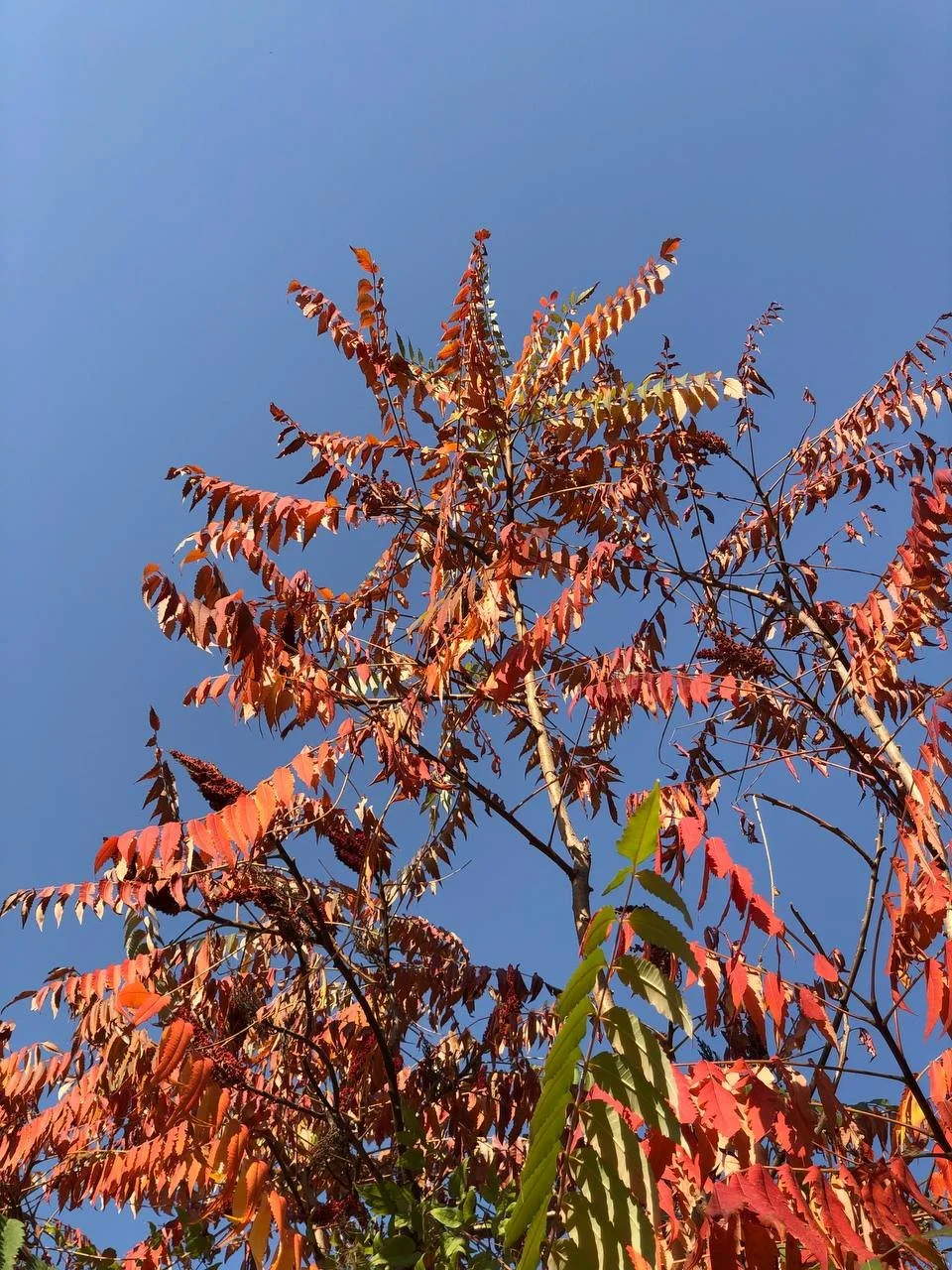
Sumac

Одна из любимых точек на карте – ботанический сад. Прятаться за деревьями от других посетителей, наблюдать природу вокруг, ловить взглядом белок, разговаривать обо всем и ни о чем – все это с особой легкостью получается именно там. Во время нашей последней прогулки с другом нашли дерево-воина с большими шипами похожими на птичьи гнезда, пепельно-сине фиолетового цвета, как будто из фильма Тима Бертона. It looked like it was trying to defend itself from intruders. (Оно выглядело так будто пыталось защититься от непрошенных гостей)
Под красным деревом мы расстелили плед, лежали, сплетничали, вслух размышляли об эмиграции, дружбе, чувстве принадлежности, ежедневной бьюти-рутине и других мелочах. There was a moment when it felt like the time had stopped. We were lying on soft earth in silence, contemplating the tree swaying. It was a nice feeling. (В какой-то момент показалось, что время остановилось. Мы лежали на мягкой земле и молча созерцали покачивание дерева.)
Written by Kira
This tree still lives in the Tashkent Botanical Garden

Eastern Redbud

The Eastern Redbud is a common tree in Uzbekistan, though originally it comes from North America. I adore these tree for their blooming trunks.
This tree was cut down between 2020/21.
Written by Dina
The tree used to stand behind Tsum Department Store in Tashkent

Platanis Orientalis

Раскрыла чинара ладони
И просить меня погадать
-по линиям вижу, не тронет
Её топоры и пожар
Ей жить предначертано долго
И тень свою щедро дарить,
Сменяя листву ежегодно
И с птицами дружбу водить
-
The Chinar opens its palm
Asking me to read the lines
I see that axe or fire
will not touch her
She is destined for a long life
To kindly share her shade
To change her leaves each year
And to befriend the birds
Translated by Nathan
Written by Sasha
This tree still lives in the Zarafshan National Nature Park